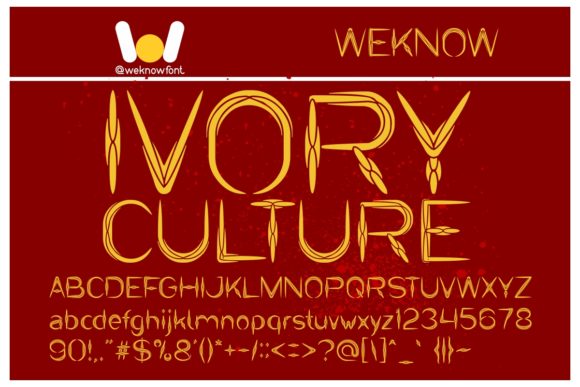
Ivory Culture: A Font That Transformed My Brand's Visual Story
It was a simple moment—just me, my laptop, and a half-finished label for my new line of handmade candles. I had spent hours designing the perfect color palette and layout, but something still felt off. The text didn’t match the elegance of the product. Then I discovered Ivory Culture. It wasn’t just a font; it was the missing piece that tied everything together.
Ivory Culture is a display font with a soft, refined look that feels both modern and timeless. Its clean curves and subtle serifs give it a touch of sophistication without being too formal. It’s versatile enough to work across different mediums, from packaging to digital ads, and its unique character makes it stand out in a sea of generic fonts.
As a small business owner, I quickly realized how much typography can influence your brand’s identity. When I used Ivory Culture on my candle labels, the overall design felt more cohesive. The font’s gentle flow matched the calming scent of my lavender blend, and customers started commenting on how elegant the packaging looked. It wasn’t just about aesthetics—it was about creating an experience.
How Ivory Culture Fitted Into My Branding Journey
I began by applying Ivory Culture to my product labels. Before, I had used a basic sans serif font that lacked personality. Now, the labels felt more intentional. The same font worked wonders on my social media posts. Whether it was a promotional graphic or a customer thank-you message, Ivory Culture gave each post a consistent, professional feel.
The font also became a staple in my website design. I used it for headlines and call-to-action buttons, which helped draw attention without overwhelming the reader. It was easy to read on both desktop and mobile screens, which was important for my online shop. Even my email headers got a fresh look, making my brand more recognizable at a glance.
Real-World Applications for Ivory Culture
Ivory Culture isn’t limited to just one use case. Here are some practical ways I’ve integrated it into my business:
- Product Packaging: Used as the main title on candle jars, skincare bottles, and bakery boxes.
- Social Media Graphics: Applied to Instagram stories, Facebook banners, and Pinterest pins for a unified look.
- Website Banners: Incorporated into hero sections and promotional slides for visual appeal.
- Email Marketing: Featured in subject lines and header sections to improve engagement.
- Business Cards: Added to names and titles for a polished, memorable first impression.
One of my favorite uses was on my café menu. The font’s readability made it easy for customers to scan through options, while its elegant style matched the ambiance of the space. It was a small change, but it made a big difference in how my brand was perceived.
When pairing Ivory Culture with other fonts, I found that combining it with a clean sans serif font like Helvetica or Arial created a balanced look. For more decorative designs, a script font worked well for accents, but I always kept Ivory Culture as the primary typeface to maintain consistency.
Why Typography Matters for Small Businesses
Typography might seem like a minor detail, but it plays a huge role in how your brand is received. First impressions matter, and the right font can help you communicate professionalism, trustworthiness, and creativity all at once. Ivory Culture helped me do just that.
Readability is key, especially when using a display font. I made sure to keep text sizes large enough for small labels and optimized the font for mobile screens. Testing different weights and styles helped me find the best balance between legibility and style.
Before choosing any font for commercial use, I checked the licensing details. Ivory Culture offered full commercial rights, which was essential for using it on packaging, merchandise, and client projects. It also included multiple styles, ligatures, and alternate characters, giving me more creative flexibility.
Using a premium font like Ivory Culture has helped elevate my brand’s visuals without requiring a complete redesign. It’s a simple yet powerful way to create a more professional, consistent, and memorable brand identity.